The Psychology of Water Damage Restoration: Coping with Damage in Your Denver Home
Published: 2026-05-02 · By ReadyFix Water Damage Restoration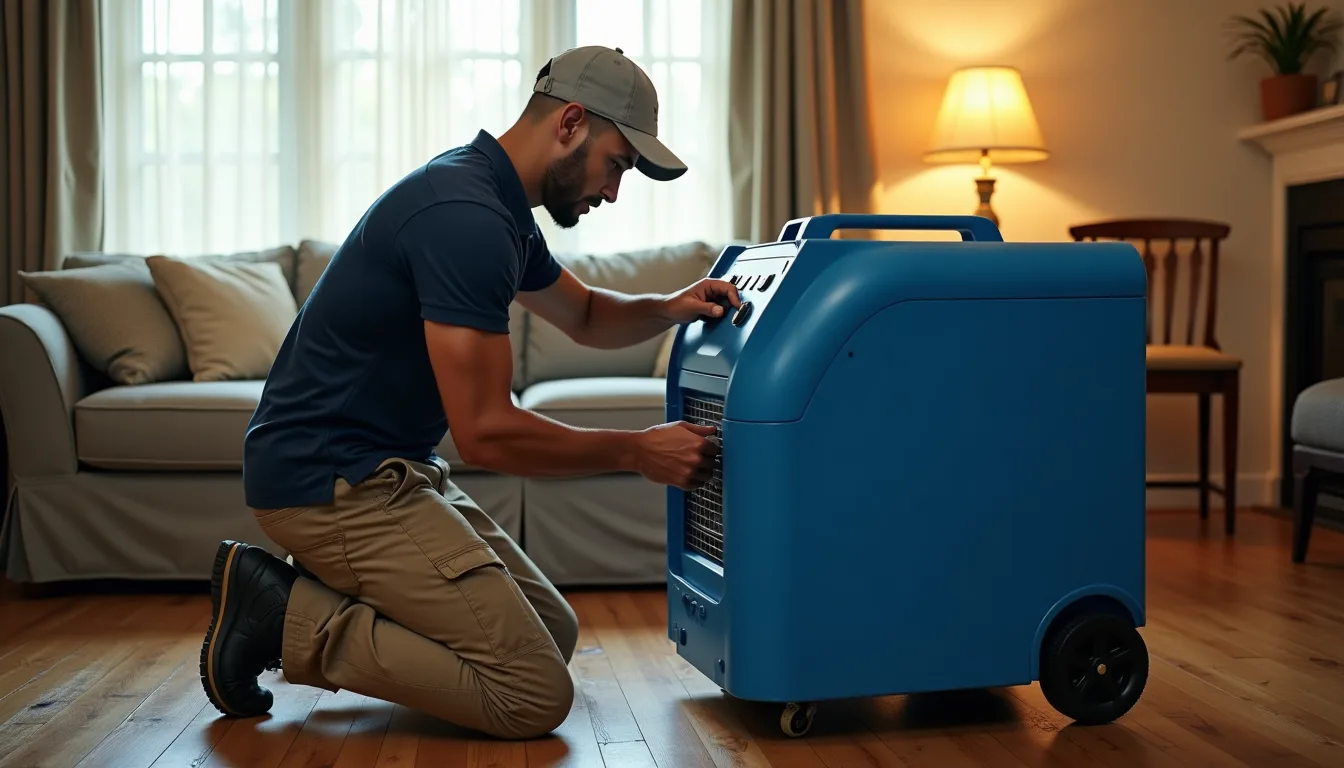
Imagine a sudden snowmelt cascading down your Denver hillside home, the ground soaked to capacity, while storm clouds gather, hinting at a looming hail storm. As a homeowner in this majestic city, the beauty of your surroundings comes with responsibilities and challenges. Water damage can strike unexpectedly, threatening the integrity of your dwelling and your peace of mind. Understanding how to cope with this reality is not just about repairing what’s broken; it’s about acknowledging the emotional toll this situation can have and finding a path towards restoration.
Why This Matters for Denver Homeowners
In Denver, rapid temperature changes and unique geological conditions can drastically affect your home's water drainage systems. The expansive clay soils under many homes hold moisture, making it easy for water to seep into your foundation during spring thaw or heavy rain. This situation is compounded by the freeze-thaw cycles typical of our spring months. With each thaw, water saturates the ground around your house, and when temperatures drop again, this moisture freezes, expanding and placing additional stress on your home’s structure.
Moreover, the toll of hailstorms and snowmelt can lead to severe damage if not addressed swiftly. It’s crucial to know that water infiltration does not just affect basements and crawl spaces; it can compromise walls, ceilings, and even your home’s appliances. Finding yourself at the mercy of a water disaster can provoke anxiety and uncertainty, making it clear that taking a proactive approach to water damage is necessary.
Tip: Schedule regular home inspections during seasonal transitions to identify potential vulnerabilities before they become problematic.
Expert Solutions & Actionable Tips
1. Understand the Signs of Water Damage
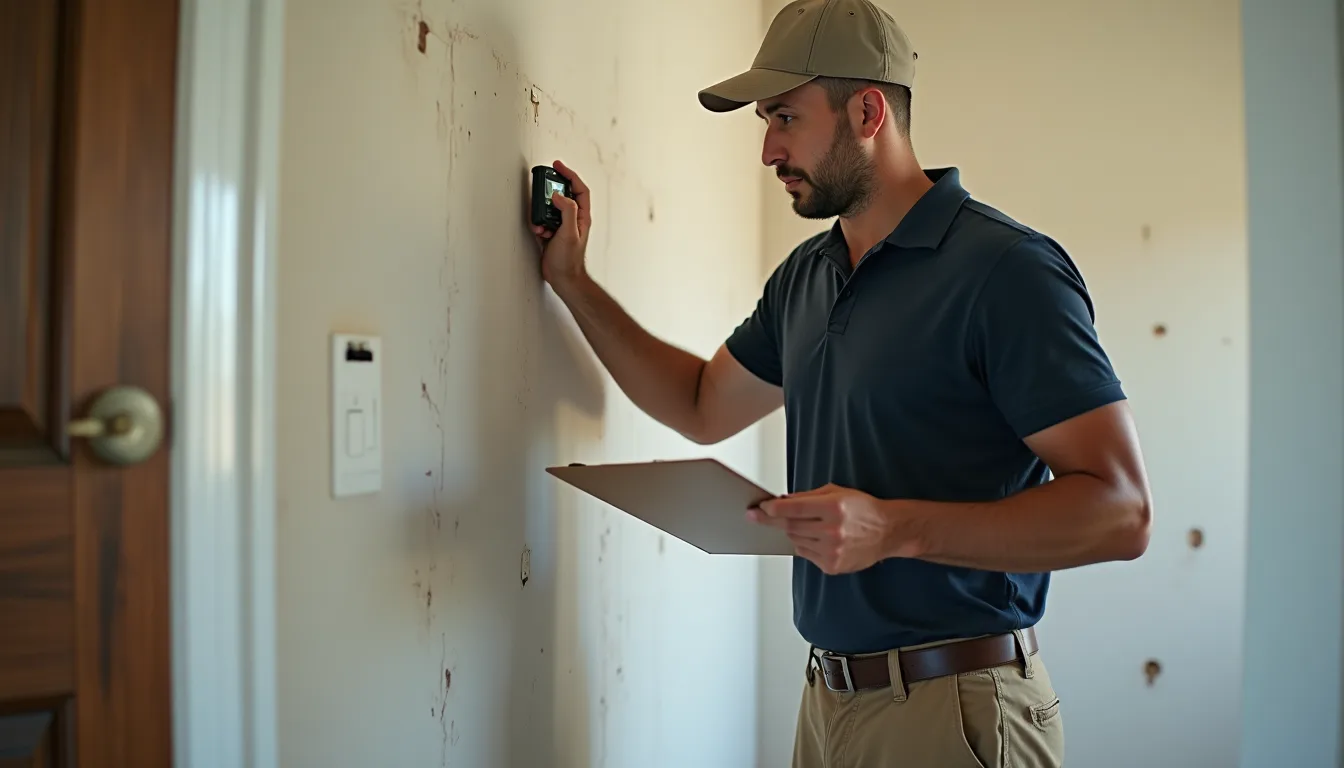
In Denver, homeowners should remain vigilant for signs of water damage, such as peeling paint, warped drywall, or mold growth, especially after heavy snows or spring rains. Ignoring these warning signs can lead to more significant issues. A simple inspection should take about an hour and can save you $1,000s in future repairs by catching issues early.
2. Prepare Your Home for Spring Thaws
To safeguard your property during rapid thawing and potential snowmelt, ensure that your gutters and downspouts are clear and properly direct water away from your foundation. Consider expenses for gutter guards or extensions, typically ranging from $150 to $500 depending on your home’s needs. This proactive maintenance can prevent minor issues from escalating.
3. Assessing a Flooded Basement
If water infiltrates your basement, act quickly. Start by shutting off your electricity if it’s safe. Remove excess water with pumps—it can be wise to hire professionals who typically charge between $500 and $1,500 for extensive clean-ups. Remember, standing water can lead to mold growth within 24 hours.
4. Evaluate Your Insurance Coverage
Understanding your homeowners' insurance policy can help alleviate some financial stress following water damage. Some policies may not cover damages related to flooding, which is frequent in Denver. Contact your insurance agent for policy specifics tailored to your area’s risks and consider adding additional coverage options.
5. Know When to Call for Help
If you encounter severe water damage, such as significant flooding or persistent leaks, contacting a water damage restoration service like ReadyFix can ensure the job is done right. Services usually prioritize swift responses and provide a range of solutions starting from $1,200 to upwards of $10,000 depending on the severity of the damage.
6. Consider Long-term Drainage Solutions
Investing in a French drain installation can alleviate future concerns associated with Denver’s unique clay soils. While initial costs can be $5,000 to $15,000 based on home size and landscape, this drainage system can protect your foundation against water accumulation and structural weakening for years to come.
Denver Climate & Local Context
Denver’s climate is infamous for its rapid shifts throughout the seasons, intensifying the effects of water damage. Homes constructed on expansive clay can face unique drainage challenges, especially during peak melt seasons. Local building codes often require specific drainage solutions, and homeowners should familiarize themselves with these regulations when renovating or building to mitigate future water issues.
Additionally, it's essential to consider natural terrain elements, as they significantly impact how water flows around properties. In Denver, ensuring proper grading and drainage is not just advisable; it can become mandatory to comply with local laws designed to protect neighborhoods from flooding.
When to Call a Professional
When it comes to water damage, knowing the line between DIY fixes and professional services can save you time and money. Simple tasks like cleaning gutters are usually safe for most homeowners, but issues that involve significant leaks or mold growth can require experienced hands. The following scenarios are clear indicators that it’s time to reach out for professional help:
- Visible mold growth spanning more than 10 square feet.
- Persistent leaks that don't resolve with typical repairs.
- Water pooling in your home after heavy rain or snow.
- Electrical hazards from water exposure.
- Severe structural damage like sagging ceilings or buckling walls.
- Water damage that extends beyond the basement, affecting other parts of your home.
Frequently Asked Questions
How quickly should I act if my home is flooded?
Time is critical with water damage; you should begin remediation efforts within 24 hours or fewer to prevent mold growth and further structural damage. Contact ReadyFix Water Damage Restoration immediately for efficient assistance.
What are my options if I need immediate water extraction?
ReadyFix offers emergency services available 24/7 for residents in Denver. Immediate response can significantly decrease the risks associated with flooding damage.
Will my homeowners insurance cover water damage from a storm?
This can depend on your specific policy. Many homeowners’ insurance plans provide coverage for storm-related damages, but flood events may require separate coverage. It's best to consult your policy or insurance agent for clarity.
How can I prevent water damage in my Denver home?
Regular maintenance such as clearing gutters, securing basement drainage, and scheduling seasonal inspections can greatly help in mitigating the risk of water damage in your Denver residence.
What steps should I take immediately after experiencing water damage?
Your first step should always be safety; turn off electricity if there’s a risk of electrical shock. Following this, begin to remove excess water if it’s safe to do so, and then contact professionals, like ReadyFix, for an assessment.
Get Expert Water Damage Restoration Service in Denver
If you find yourself facing the distress of water damage in your Denver home, don’t hesitate to reach out. ReadyFix Water Damage Restoration is here to support you through this challenging situation. We're just a call away at (719) 223-2804.
Your home deserves the best care, and with our expert team, you can navigate through water damage recovery with confidence and ease.
Related Services
More Articles
Top 6 Water Damage Restoration Prevention Tips Every Denver Homeowner Should Know
2026-05-02
Water Damage RestorationA Denver Homeowner's Complete Summer Water Protection Plan
2026-05-02
Water Damage Restoration8 Signs You Need Professional Water Damage Restoration in Denver
2026-05-02