Top 6 Water Damage Restoration Prevention Tips Every Denver Homeowner Should Know
Published: 2026-05-02 · By ReadyFix Water Damage Restoration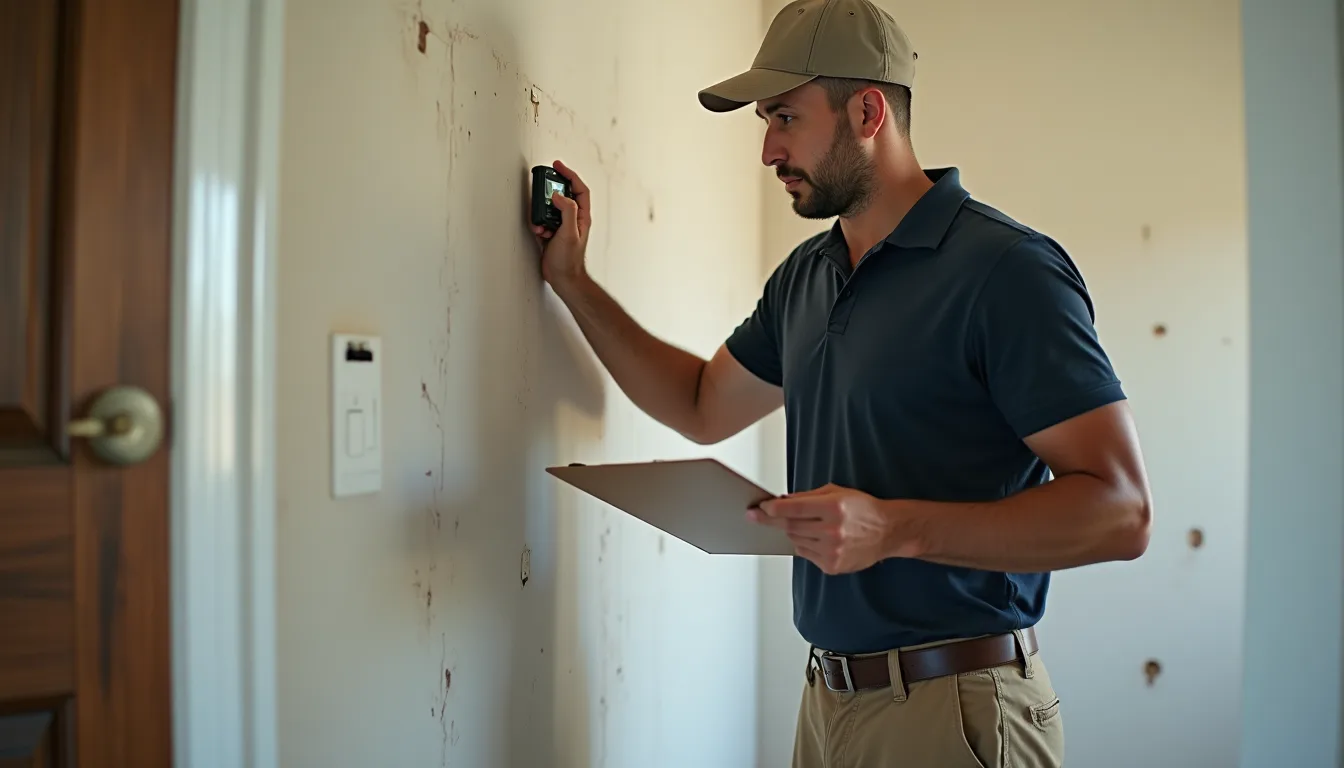
Picture this: A sudden hailstorm hits Denver, followed by a rapid snowmelt adding to the standing water in your backyard. Before you know it, you've got water seeping into your basement. For Denver homeowners, dealing with water damage is a reality that can surface unexpectedly due to our rapidly changing weather patterns. With temperatures fluctuating wildly throughout the year, understanding how to prevent water damage should be a priority.
Why This Matters for Denver Homeowners
Water damage is not just an inconvenience; it can lead to major structural issues and costly repairs. Denver's unique environmental aspects—like the freeze-thaw cycles and its many homes built on expansive clay soils—make it even more crucial for homeowners to be proactive. Poor drainage systems often exacerbate the problem, leading to recurring water issues that can compromise a home’s foundation.
Additionally, the aftermath of a hailstorm can sometimes create unexpected runoff that seeps into vulnerable areas of your home. Addressing these issues promptly can save you thousands in potential repairs and health risks associated with water damage.
Expert Solutions & Actionable Tips
1. 1. Regularly Inspect Gutters and Downspouts
Ensuring that your gutters and downspouts are free from debris is one of the simplest yet most effective preventive measures. For Denver homeowners, a professional gutter cleaning usually costs between $100 to $300 depending on the size of the home. Schedule this at least twice a year, especially before heavy rainfall or snowmelt.
Investing in larger downspouts can also help redirect water away from your foundation, significantly reducing risks of flooding in your basement.
2. 2. Inspect and Maintain Your Sump Pump
If your home has a sump pump, ensure it’s functioning properly to prevent basement flooding. For about $50 to $150, you can have a professional evaluate its effectiveness. Replacement, if needed, can range from $800 to $2,000 depending on the complexity of the installation.
Perform a test run of the pump once every month, especially during Denver's wet seasons, to keep it in topnotch condition.
3. 3. Landscape with Proper Drainage in Mind
How your yard is landscaped can greatly affect water drainage around your home. Incorporating terraces, rain gardens, or retaining walls can cost anywhere from $1,500 to $5,000, but it’s an investment well worth making to divert water away from your foundation.
Be mindful of planting trees with deep roots, which can help soak up excess moisture.
4. 4. Seal Cracks in Your Foundation
Small cracks in your foundation can turn into big problems if not addressed. Use expandable foam or caulk to seal these cracks, which generally costs around $10 to $30 for DIY materials. For larger or recurring problems, contacting a professional for structural repairs can cost anywhere from $500 to $2,500.
Check for cracks during Denver's warmer months when they are easier to spot.
5. 5. Understand Your Home's Drainage System
A complex drainage system is crucial, especially in areas with clay soils that can hold water. Knowing how your home's drainage works, including any sump pumps and exterior drainage features, can be vital. Consulting with a drainage expert may range from $200 to $600 depending on the analysis needed.
This awareness helps address potential issues before they escalate.
6. 6. Invest in Water Leak Detection Systems
Modern technology allows for real-time monitoring of water leaks, with costs ranging from $50 to $300 for devices that can alert you when leaks are detected. This is particularly useful in older Denver homes where pipe integrity is often less reliable.
Many systems also connect to your smartphone, making them handy for busy homeowners.
Denver Climate & Local Context
Denver's unique climate, characterized by rapid temperature changes, poses a distinct challenge for homeowners. The combination of expansive clay soils in the area and the heavy spring snowmelt can lead to significant issues with water retention and drainage. Local building codes may require specific drainage systems, meaning homeowners should familiarize themselves with city regulations to ensure compliance and proper protection for their properties.
With the possibility of a freeze-thaw cycle causing strain on structures, having the right safeguards in place becomes essential in avoiding water intrusion that can lead to costly repairs. Regular evaluations of your home’s drainage and water protection systems can make a substantial difference for Denver residents.
When to Call a Professional
While DIY measures can help prevent water damage, there are times when you should turn to a professional. If you find extensive mold growth, for example, or if water damage already occurred, calling in a team like ReadyFix Water Damage Restoration is essential. Professionals can effectively assess the damage and provide comprehensive restoration services.
- Seeing water damage stains on walls or ceilings
- Water pooling in your basement after storms
- Unpleasant odors emanating from any area of your home
- Noticing mold or mildew
- Damaged flooring or ceilings
- Structural concerns in the basement or foundations
Understanding when to DIY versus when to call a professional can save you time and help keep your home safe.
Frequently Asked Questions
What should I do immediately after discovering water damage?
Immediately turn off the main water supply and assess the situation. If the damage is extensive, contact ReadyFix Water Damage Restoration for an inspection.
How long does water damage restoration typically take?
Depending on the severity, water damage restoration can take from a few days to several weeks. ReadyFix can provide a timeline tailored to your specific situation.
Will my insurance cover water damage repairs?
It often depends on the cause of the water damage. Review your policy and consult with your insurance agent for specifics regarding coverage in Denver.
Can I prevent water damage in Denver during the winter?
Absolutely. Insulating pipes and routinely checking for leaks are critical in preventing winter-related water damage, especially in freezing temperatures.
What types of water damage does ReadyFix handle?
ReadyFix specializes in all types of water damage restoration, including flood damage, mold remediation, and emergency water removal throughout Denver.
Get Expert Water Damage Restoration Service in Denver
In a city like Denver, understanding and preventing water damage is essential for maintaining your home. If you suspect any issues or want professional assessments, don’t hesitate to reach out. Call (719) 223-2804 to connect with ReadyFix Water Damage Restoration today.
Your home deserves the best protection against water damage, and our team is here to help you ensure that it remains sound and safe.
Related Services
More Articles
A Denver Homeowner's Complete Summer Water Protection Plan
2026-05-02
Water Damage RestorationThe Psychology of Water Damage Restoration: Coping with Damage in Your Denver Home
2026-05-02
Water Damage Restoration8 Signs You Need Professional Water Damage Restoration in Denver
2026-05-02